
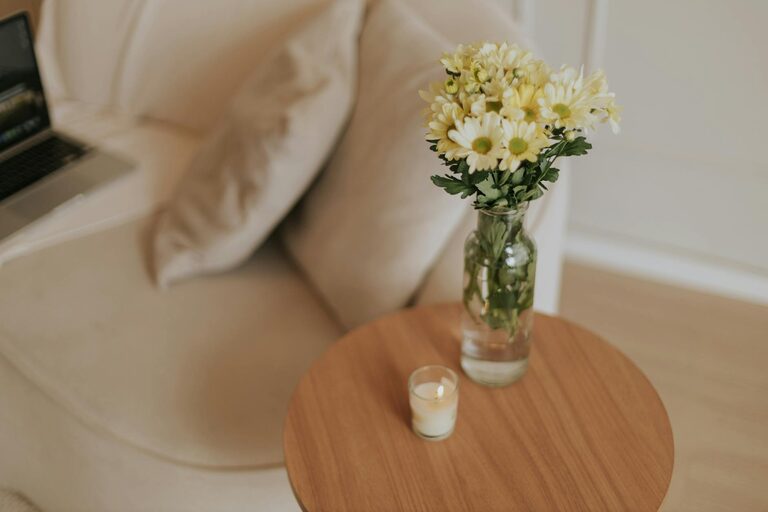
Creating a relaxing home office environment is essential for maintaining focus and well-being while working from home. A calm and organised space not only reduces stress but also boosts productivity and helps you separate work from personal time. Whether you have a dedicated room or just a small corner, these simple tips can help turn your home office into a peaceful retreat.
1. Choose the Right Location
Select a spot in your home with minimal distractions. Ideally, pick a quiet area away from heavy foot traffic, noisy appliances, or television noise. If possible, choose a room with plenty of natural light which helps reduce eye strain and improves mood.
Tips:
– Avoid working in or near your bedroom to keep work and rest separate.
– If space is limited, consider using a room divider or privacy screen to set boundaries.
2. Invest in Comfortable Furniture
Comfortable furniture is key to a relaxing office. An ergonomic chair that supports your posture will prevent discomfort and fatigue during long work sessions. Your desk should be the right height to allow your arms to rest comfortably.
Tips:
– Consider a sit-stand desk to vary your position during the day.
– Add cushions or footrests to increase comfort.
– Keep the area under your desk clear to avoid cramped legroom.
3. Declutter and Organise Your Space
A cluttered desk can lead to a cluttered mind. Keep your workspace tidy by regularly removing unnecessary items and organising essentials.
Organisation ideas:
– Use drawer organisers or storage boxes for stationery and documents.
– Keep only daily-use items on your desk surface.
– Use cable management tools to keep cords neat and out of sight.
4. Personalise with Soothing Elements
Adding personal touches can make your office feel welcoming and relaxing. However, avoid overdecorating to maintain simplicity and calmness.
Suggestions:
– Houseplants improve air quality and add a touch of nature.
– Soft lighting, such as desk lamps or string lights, creates a warm atmosphere.
– Artwork or photos that inspire you can boost motivation.
5. Control Lighting and Noise
Proper lighting reduces eye strain, while managing noise helps you maintain concentration.
Lighting:
– Use adjustable lighting to suit different times of day.
– Position your desk near windows but avoid glare on your screen.
Noise control:
– Use noise-cancelling headphones if you cannot eliminate background noise.
– Consider a white noise machine or relaxing instrumental music to create a soothing sound environment.
6. Keep Air Fresh and Temperature Comfortable
Fresh air and a pleasant room temperature help you stay alert and comfortable.
Tips:
– Open a window regularly to improve ventilation.
– Use fans or heaters to regulate temperature as needed.
– Consider air purifiers if your space feels stuffy or dusty.
7. Establish a Routine and Break Area
A relaxing home office isn’t just about the physical environment; your habits matter too.
Ideas:
– Set regular working hours and stick to breaks.
– Create a separate area nearby for stretching, short walks, or relaxation.
– Use reminders to step away from the screen and rest your eyes.
Conclusion
Designing a relaxing home office environment takes a bit of planning but pays off in improved comfort and productivity. By choosing the right location, investing in ergonomic furniture, keeping your space organised, personalising wisely, managing light and noise, ensuring good air quality, and maintaining a healthy routine, you can create a peaceful workspace that supports your well-being every day. Start small, experiment with what works best, and enjoy the benefits of a calm home office.